
업계 뉴스

/ 뉴스 / 업계 뉴스 / Endurance Yoga Foam Roller: Buying Guide for Fitness
Suzhou Apex Sports Goods Co., Ltd.
Our company mainly produces indoor fitness sports goods and yoga products. Our main products include yoga wheels, yoga rings, massage sticks, fascia balls, leg clamping massagers, etc. Besides developing standard products, we also offer OEM & ODM services, customizing LOGOs and packaging according to customers' requirements. We provide different products and designs based on the needs of different customers. We have a professional sales team to handle customers' demands.

Endurance Yoga Foam Roller: Buying Guide for Fitness

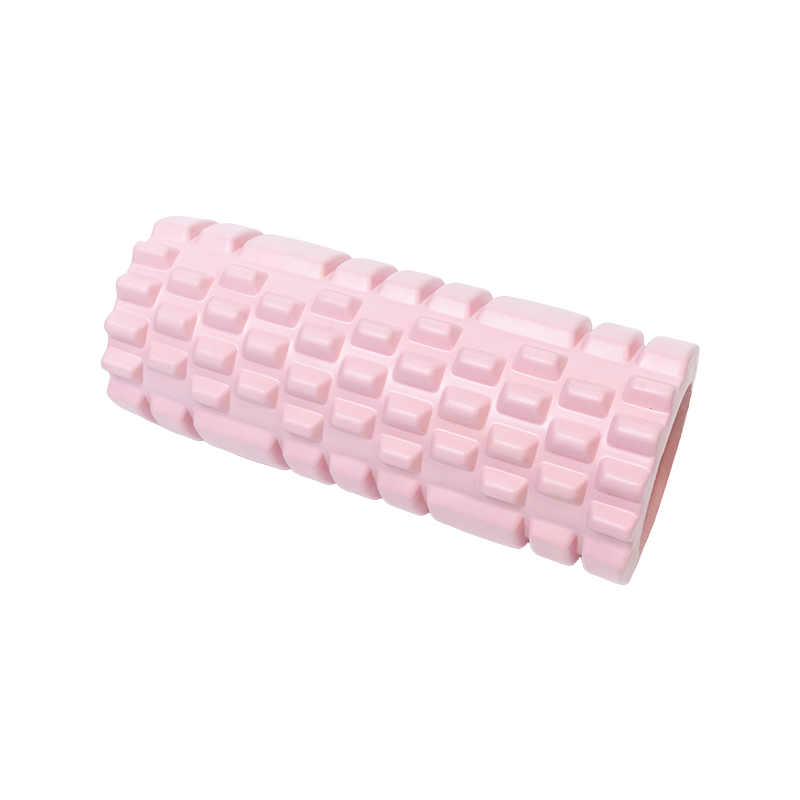
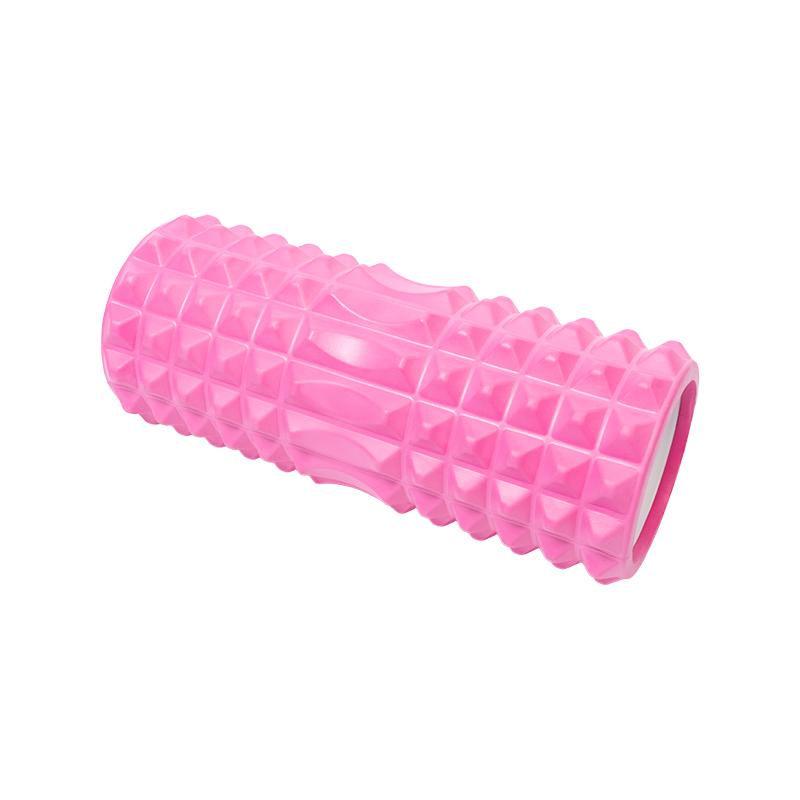
Muscle soreness after training is manageable when the tool doing the work actually holds up. An endurance yoga foam roller is built from high-density foam so it keeps its shape and support through years of daily rolling, not just a few sessions.

HD High-density foam resists compression over years of repeated use
EVA Common material choice for balanced firmness and surface comfort
OEM Size, density, and surface texture can be customized per brand

Why Roller Density Determines Everything Else

A soft, low-density roller feels gentle at first touch but breaks down quickly under body weight and repeated pressure, losing its ability to apply consistent tension to tight muscles. Endurance-grade foam holds its structure through thousands of rolling cycles, which is the real difference between a roller that lasts a season and one that lasts for years of gym or studio use.

What Sets an Endurance Roller Apart

Endurance Foam Roller

Holds shape under daily commercial use, stable balance support, consistent pressure over years of training

Standard Foam Roller

Softens and deforms with frequent use, better suited to occasional or light home workouts

Where It Fits Into Training and Recovery

  • Yoga studios use it for warm-up stretching and balance-based poses across skill levels.
  • Athletes and trainers use it for post-workout self-myofascial release to reduce muscle stiffness.
  • Physical therapy programs use it as a low-impact tool for guided mobility exercises.
  • Home fitness users rely on it for daily stretching routines between gym sessions.
A roller that feels firm on the showroom floor can still soften within months under real training loads. Ask for compression-recovery test data, not just a hardness rating on the spec sheet.

Specifications That Matter Beyond Firmness

Specification Why It Matters
Foam density Determines how long support performance lasts under repeated use
Diameter and length Affects which muscle groups and body sizes are best supported
Surface texture Changes pressure distribution and comfort during rolling
Weight capacity Confirms suitability for different user body types

Sourcing From a Capable Manufacturer

Foam molding precision and material consistency separate a roller that performs for years from one that flattens within months. A reliable yoga foam roller manufacturer should be able to share compression-recovery and load-bearing test results, along with OEM options for density, size, surface pattern, and branding.

Frequently Asked Questions

How do I know if a foam roller is high density?

High-density rollers feel firm with minimal give under hand pressure and typically list a specific density value or hardness rating on the product specification sheet.

Can a foam roller be too firm for beginners?

Yes, very firm rollers can feel intense for first-time users, so many trainers recommend starting with a moderate density before progressing to a firmer, endurance-grade roller.

How long should a quality foam roller last?

A well-made high-density roller used in a commercial gym or studio setting can maintain its shape and support for several years of regular daily use.

Is a longer roller better than a shorter one?

Longer rollers support larger areas like the full back and are useful for balance exercises, while shorter rollers are more portable and better suited to targeted muscle work.